

Concert ticket fraud is no longer a niche problem. It directly affects major events, stadium tours, and even small club shows.
The concrete reality is that promoters now treat verification systems as the only reliable way to stop fake tickets at scale. The introduction of digital verification tools, barcode authentication layers, and identity-linked tickets has already reduced fraud cases wherever promoters enforce them.
The core answer is simple: the old model of PDF tickets and easily duplicated QR codes can no longer protect buyers, so verification systems are becoming standard practice in live entertainment.
Why Verification Systems Are Becoming Mandatory
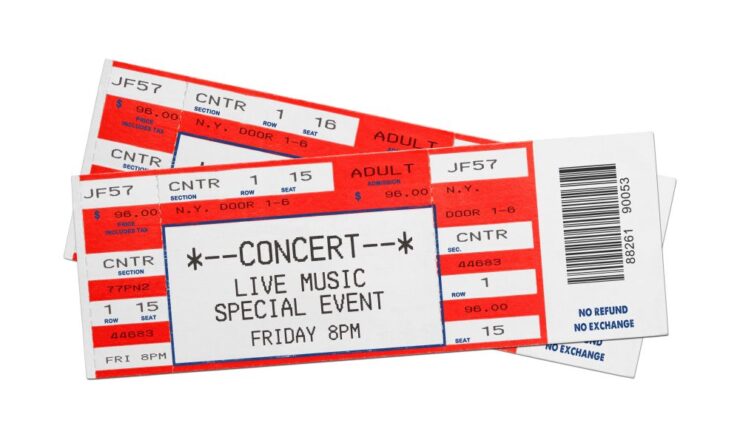
Promoters spent years dealing with the same cycle. Tickets would sell out, resellers would flood social media with screenshots, fans would arrive at gates with invalid digital copies, and security teams would waste hours managing disputes. The result was damage to fan trust and negative press that often overshadowed the event itself.
The shift began when venue operators realized that fraud was not only hurting consumers but also cutting into revenue. Each fake ticket represents a seat that the promoter never gets paid for. At scale, that loss can be equal to thousands of dollars per show or millions over an extended tour.
Verification systems create a closed loop that locks each ticket to a unique identity, device, or digital signature. The most common approaches include:
- Identity-based ticketing
- Live barcode refresh
- Secure transfer protocols
- Anti-screenshot technology
- Blockchain-backed ticket issuance
- Gate-level scanning with server-side validation
The industry has already moved past the question of whether verification is needed. Now the discussion is about which structure works best for specific venues and which tools can handle high-traffic events without latency issues.
The Mechanics of Modern Ticket Authentication
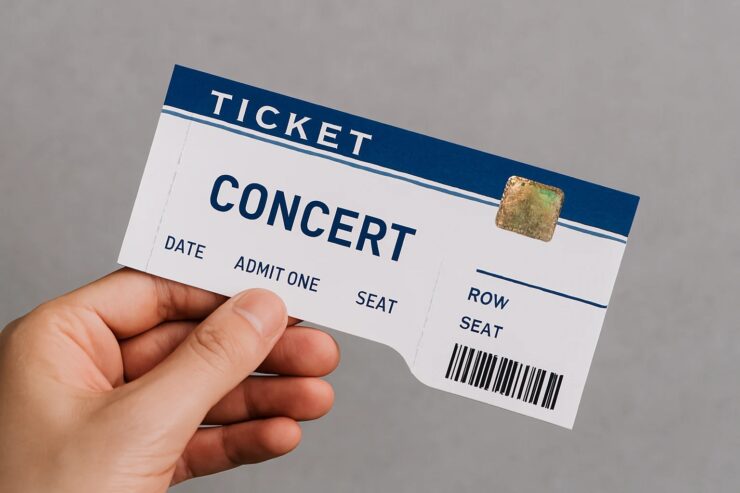
A verification system works by disconnecting the ticket from the static file model. A PDF or screenshot is just an image that can be forwarded infinitely. A dynamic, verified ticket must communicate with a live server before it becomes valid. That alone eliminates the possibility of simple duplication.
Promoters have also started to rely on multi-step validation. For example:
-
- A buyer purchases a ticket through an authorized platform.
- The ticket is linked to the buyer profile and appears only inside the official mobile app.
- The barcode refreshes every few seconds.
- At the gate, the system checks both the code and the user ID in the background.
This means a screenshot cannot pass through the scanner. Even if a scammer tries to sell the same code to multiple people, only the legitimate device holding the active token will work.
The middle of the industry conversation also includes the need for standardization. To make fraud harder, promoters are pushing for consistent rules across festivals, arenas, and theaters. This reduces the learning curve for buyers and weakens the gray market of unauthorized resellers.
Right here is also where trust tools matter. Many organizers are quietly using external validators to check the authenticity of digital files, written claims, and reseller pages. Midway through the verification workflow they lean on tools like AI checker to analyze suspicious screenshots or replicas that circulate in fan groups. It acts as an extra layer when staff must judge whether a ticket image is likely genuine or manipulated.
The Human Side of Fraud Prevention
Promoters understand that even with perfect technology, the system only works when fan education is part of the process. Fraud almost always succeeds when buyers trust the wrong seller. Fans often believe a friend of a friend who posts on Instagram. They trust marketplace listings that appear legitimate. They believe a stranger outside a venue who insists the ticket scans fine.
This is why promoters increasingly release official guides alongside ticket announcements. Clear instructions reduce confusion and reduce the opportunity for scammers to exploit gaps in knowledge. These guides typically explain:
- Exactly where fans should buy tickets.
- How verified digital tickets appear inside the official app.
- Why screenshots never work.
- How transfers operate under the new system.
- Which behaviors are red flags for fraud.
Fans who understand the rules are harder to fool. Promoters also discovered that when buyers know what a real ticket looks like, counterfeit listings drop because scammers lose easy targets.
Why The Concert Industry Can No Longer Rely on Traditional Barcodes
Traditional barcodes were designed for physical entry, not for a world where images can be shared instantly. A QR code is just a static shape. Anyone can forward it. Anyone can open it. Anyone can Photoshop it onto a fake ticket template.
Verification systems remove the static element. A live barcode is not a picture. It is a temporary key managed by a server. The system decides whether to activate it at scanning time. Without activation, the code is worthless. Even if someone duplicates it, the system will reject all unauthorized instances.
Promoters also gain better control over post-sale behavior. Verified systems allow them to limit transfers, track resale activity, and stop automated bots. The same structure that prevents fraud also protects genuine buyers who need to resell tickets at fair value.
The Middle Ground: Balancing Security and Convenience

One of the biggest misconceptions about verification systems is that they make ticketing harder for fans. In reality, the goal is the opposite. The systems aim to replace a chaotic model with one that feels seamless. Fans simply open their official ticket app, show the live barcode, and walk in. There are no printed receipts, no forwarded files, and no last-minute panic about whether an emailed ticket will work.
Promoters know that convenience matters. If a system is too complicated, fans will complain. This is why major venues test new tools months before rollout, running simulations with peak crowds to confirm that scanners can handle real-world demand. The middle answer for the industry is that effective fraud prevention must be invisible to fans while remaining rigid against attackers.
What Promoters Are Seeing After Adoption
Early adopters reported measurable improvements:
- A large festival reduced fake entry attempts by more than half.
- Stadium tours saw a significant decline in gate disputes.
- Customer-support teams reported fewer refund requests from scammed buyers.
- Promoters gained more accurate attendance data because every scanned ticket was tied to a verified identity.
The transition also improved reseller transparency. Verified transfer systems ensure that resale tickets pass through proper channels. Buyers receive confirmation that the ticket is now officially theirs, not a duplicate passed around social media.
The Direction the Industry Is Moving
The concert industry is moving toward a unified expectation: events should use verified digital tickets as the standard. This expectation is becoming widespread because it aligns with how people already manage digital identities, banking apps, and secure ecommerce.
Promoters now see verification systems as part of crowd management and event safety. A ticket linked to a verified profile gives security teams better insight into who enters a venue. It also reduces the possibility of overcrowding caused by duplicated tickets, which has been a factor in past safety incidents.
Given the speed of fraud evolution, promoters are preparing to expand verification beyond entry points. Some are testing real-time verification for merchandise pickup, VIP access, meet-and-greet lines, or shuttle boarding. The same mechanisms that control entry can control additional event layers.
Final Practical Takeaway
The concrete message is clear. Modern concert ticketing must include verification. Without it, scammers can replicate digital tickets with almost no effort. With it, promoters protect revenue, fans avoid scams, and venues maintain secure entry control.
The industry is not adopting verification because it is trendy. Promoters are doing it because fake tickets have become a large-scale operational risk. Verification systems close the loopholes that scammers rely on, deliver stability for buyers, and rebuild trust in the live-event experience.